


Community Reintegration: Why Recovery Doesn’t Stop at the Clinic

After a brain injury or spinal cord injury, many people complete formal rehabilitation and are told they’re “ready” to return to daily life. But for many individuals and families, this is where the real challenges begin.
Leaving the structure of a clinic and re-entering the community can feel overwhelming. Tasks that once felt routine — going to the gym, meeting friends, running errands, or navigating public spaces — can suddenly feel unfamiliar or intimidating.
This phase of recovery is known as community reintegration, and it’s a critical part of long-term healing.
What Is Community Reintegration?
Community reintegration focuses on helping individuals safely and confidently return to meaningful roles and activities in their everyday environments.
Rather than practicing skills in a controlled setting, community reintegration takes therapy into real-life situations — the places where challenges actually occur.
This may include:
Navigating public spaces
Re-establishing routines
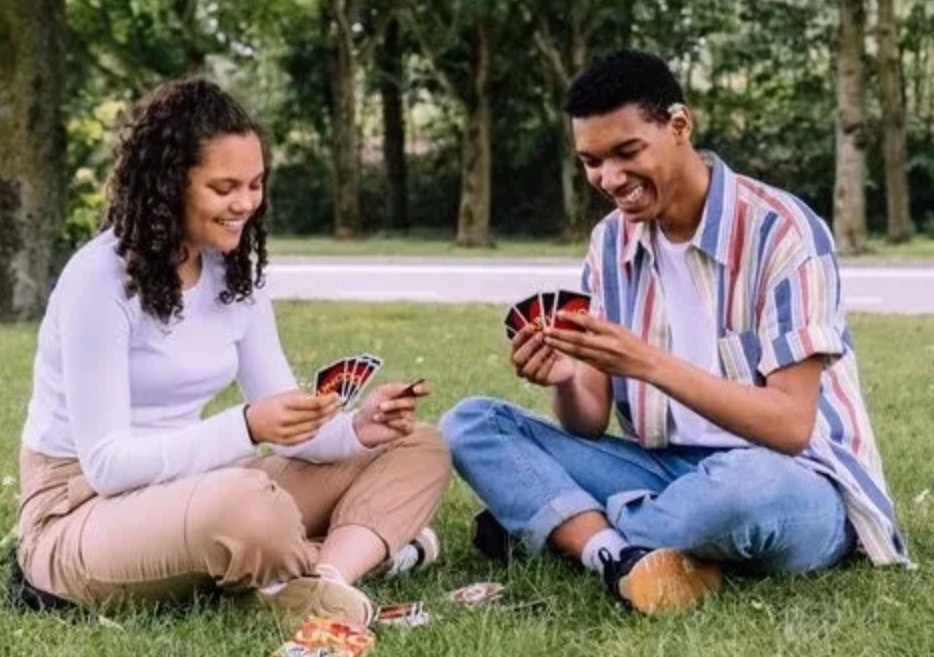
Participating in social or recreational activities
Building confidence outside the home
Managing real-world demands at a comfortable pace
Why the Clinic Isn’t Enough
Clinical environments are designed to be predictable and supportive. While this is essential early in recovery, it doesn’t always prepare individuals for the unpredictability of everyday life.
Community settings introduce variables like:
Crowds and noise
Time pressure
Environmental distractions
Social interactions
Unexpected obstacles
Practicing skills in real-world environments allows individuals to apply what they’ve learned in therapy in a way that feels relevant and meaningful.
The Role of Recreational Therapy in Community Reintegration
Recreational therapy supports community reintegration by using purposeful activity as a therapeutic tool.
Instead of focusing only on isolated skills, recreational therapy emphasizes:
Confidence-building
Problem-solving in real time
Gradual exposure to community settings
Reconnecting with interests and hobbies
Developing routines that support independence
This approach helps individuals move from “can I do this?” to “I know how to handle this.”
Rebuilding Confidence and Independence
After injury, confidence often lags behind physical or cognitive progress. Even when someone is technically capable, fear and uncertainty can limit participation.
Community-based recreational therapy provides:
Supportive guidance
Real-world practice
Opportunities for success
A safe space to rebuild confidence
Over time, individuals gain the skills and self-assurance needed to navigate their community more independently.
Recovery Is More Than Physical Healing
True recovery includes reconnecting with life beyond medical appointments. Community reintegration helps individuals reclaim independence, social connection, and a sense of purpose.
When therapy extends beyond the clinic and into everyday environments, recovery becomes more than rehabilitation — it becomes living well again.

Comments