


What Is Recreational Therapy — and Why It Matters After Brain or Spinal Cord Injury
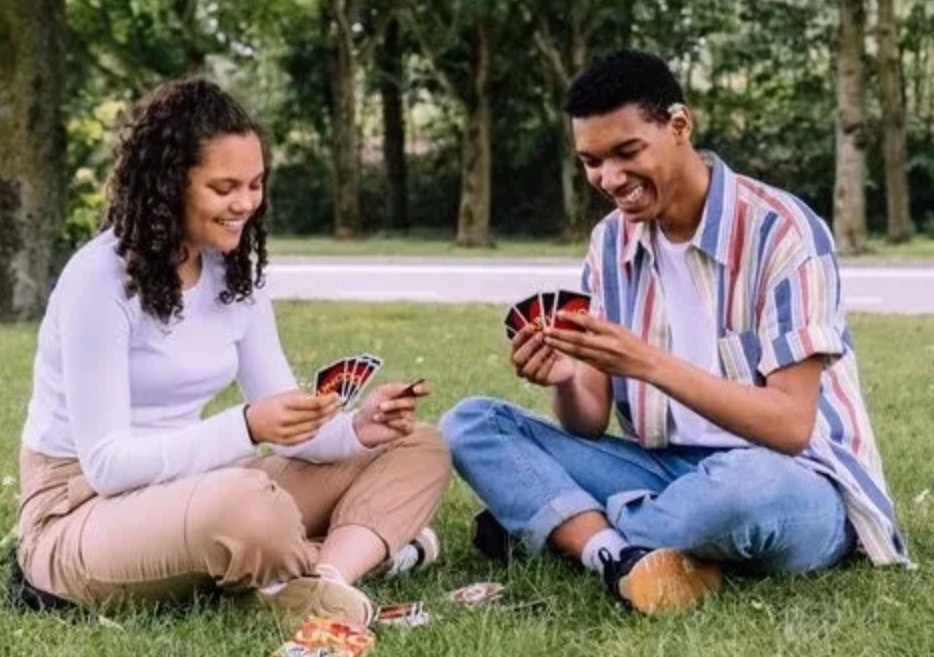
After a brain injury or spinal cord injury, recovery often focuses on the basics: mobility, medical stability, and daily functioning. While these areas are critical, healing doesn’t stop there. One of the most overlooked parts of recovery is rebuilding a meaningful life — and that’s where recreational therapy comes in.
What Is Recreational Therapy?
Recreational therapy is a healthcare service that uses activity, leisure, and community engagement as purposeful tools to support recovery, independence, and overall quality of life.
Unlike traditional therapy settings that focus primarily on physical or cognitive skills in isolation, recreational therapy looks at the whole person — their interests, routines, confidence, and ability to participate in everyday life.
Recreational therapy is goal-driven, individualized, and grounded in functional outcomes that matter beyond the clinic.
How Recreational Therapy Supports Recovery
After a brain or spinal cord injury, people often experience more than physical changes. Many individuals face:
Loss of confidence
Reduced independence
Social isolation
Difficulty returning to familiar activities
Uncertainty about their role in the community
Recreational therapy addresses these challenges by helping individuals safely re-engage in meaningful activities, rebuild routines, and develop skills needed for real-life environments.
Sessions may take place in the home or out in the community and are tailored to each individual’s abilities, goals, and stage of recovery.
How Recreational Therapy Differs from Other Therapies
Recreational therapy works alongside services like physical therapy, occupational therapy, and speech therapy — but with a different focus.
While other therapies often concentrate on restoring specific skills, recreational therapy emphasizes:
Participation rather than performance
Confidence alongside ability
Real-world application of skills
Leisure and lifestyle balance
The goal isn’t just improvement in therapy — it’s success in everyday life.
Why Recreational Therapy Matters After Injury
Recovery doesn’t happen only during scheduled appointments. It happens when individuals begin to feel capable, engaged, and connected again.
Recreational therapy helps bridge the gap between rehabilitation and real life by:
Supporting community reintegration
Encouraging social connection
Promoting physical activity in adaptive ways
Rebuilding identity through meaningful interests
Helping individuals feel confident navigating daily environments
For many people, this is the step that turns “recovery” into living again.
A Holistic, Person-Centered Approach
Recreational therapy recognizes that healing is not one-size-fits-all. What feels meaningful to one person may not matter to another — and that individuality is central to the therapeutic process.
By meeting clients where they are and focusing on what motivates them, recreational therapy supports long-term engagement, independence, and quality of life.


Comments